
Questioning Apartment Security in Seattle’s Urban Core
Apartment rent in Seattle’s urban core keeps climbing, yet many residents still deal with break-ins, package theft, and strangers slipping into their buildings. Paying a premium for a central location should not mean accepting constant worry about who is in the lobby or the garage. Security should match the price tag and the reality outside your front door.
In downtown Seattle, Capitol Hill, South Lake Union, and nearby dense neighborhoods, daily life brings heavy foot traffic, open lobbies, constant deliveries, and late-night activity. During late summer, more people are out on the streets and on rooftops, and buildings see a steady stream of guests and service workers. This makes it important for renters, property managers, and owners to look at apartment security in Seattle with clear eyes, understand modern risks, and see what strong, practical protection can look like.
Why Seattle’s Urban Core Demands Stronger Apartment Security
Central Seattle is busy, layered, and always moving. That energy also creates chances for the wrong people to slip in. Mixed-use buildings with shops or offices on the ground floor bring even more strangers close to residential doors.
In these neighborhoods, common problems include:
- Tailgating through main entries or garage gates
- Trespassing in stairwells, storage rooms, and bike cages
- Vehicle prowls in parking areas
- Theft from lobbies, package rooms, and amenity spaces
Late summer adds its own twist. Longer days encourage more rooftop hangouts, open patios, and propped doors. Residents may leave windows open in the evening or hold lobby doors for guests without a second thought. Delivery drivers and service workers come and go more often as people prepare for the shift into cooler, darker months. All of this can slowly weaken a building’s security posture if no one is watching for patterns.
There is also a gap between how buildings are advertised and what daily safety feels like. Online listings often spotlight fitness centers, dog spas, and rooftop decks. Photos show sleek lobbies and attractive lighting. What is not always visible are the details that matter most: how doors are controlled, who monitors cameras, and what happens when there is a problem. This gap makes it reasonable to question whether apartment security in Seattle truly matches the neighborhood outside.
Weak Links That Put Seattle Apartment Residents at Risk
Most serious incidents start with simple weak points that feel harmless in the moment. Over time, those small gaps add up.
Common vulnerable entry points include:
- Garage doors that are slow to close or regularly propped open
- Side doors that are poorly lit or used as informal smoking exits
- Intercoms and call boxes that do not always work or are easy to bypass
- Shared codes that spread to friends of friends and then to strangers
Monitoring is another frequent problem area. A building might have plenty of cameras, but:
- Angles leave blind spots in corners and stairwells
- Footage is recorded but never reviewed unless something major happens
- No one is actively watching activity during evenings and weekends
- There is no visible uniformed presence when issues flare up
Policies and culture can quietly undermine even a well-planned system. When visitor procedures are vague, residents may start buzzing in anyone who claims to be a delivery driver. If key fobs or access cards are not collected at move-out, former residents or their contacts may still have access. When new tenants are not briefed on security expectations, people may stop reporting problems and assume someone else will handle them. This creates a false sense of safety that’s broken only when an incident finally occurs.
What Modern Apartment Security in Seattle Should Look Like
Effective apartment security in Seattle does not have to feel heavy-handed. Done well, it becomes part of the building’s daily rhythm and supports a sense of calm instead of fear.
A strong approach starts with layered physical security:
- Clear, controlled perimeter access, with secure main doors and gates
- Good lighting at all entrances, walkways, and parking areas
- Protected mail and package rooms with real access control
- Separated access between residential floors, parking, and amenities
Technology can help, but only if paired with human oversight. Smart access systems, video analytics, and visitor management tools are most effective when trained staff review alerts, spot patterns, and fine-tune settings. Systems should not be installed and then left alone; they need regular checks, updates, and clear accountability for how they are used.
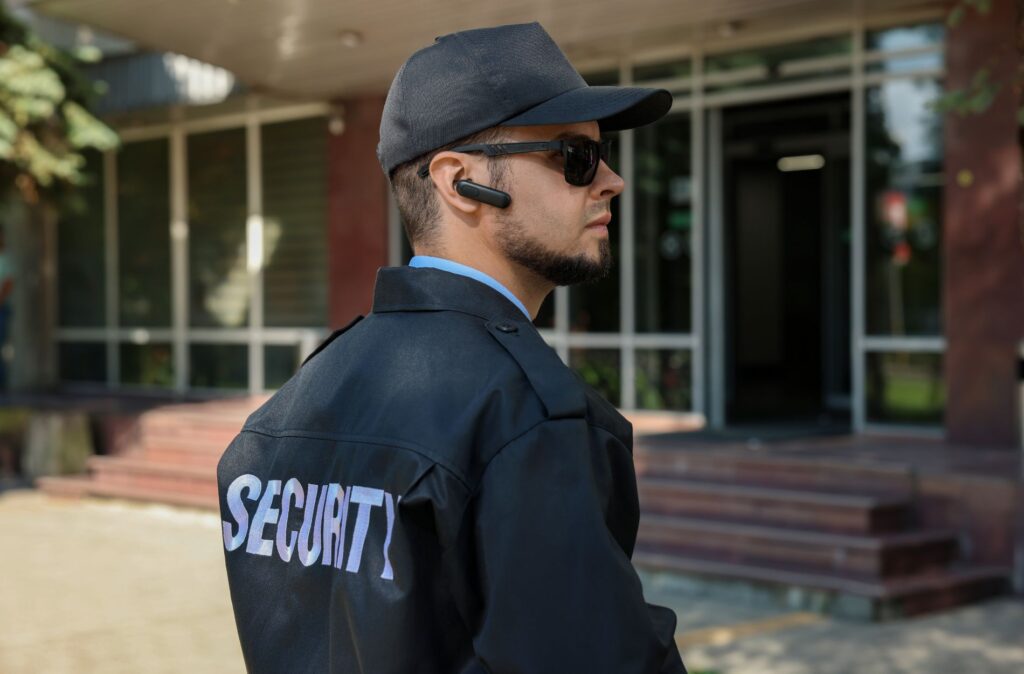
In many central Seattle buildings, a trained security presence makes a real difference. Professional guards, patrols, or concierge-style security in lobbies and garages can:
- Deter crime through visibility and consistent routines
- Respond quickly to suspicious behavior or safety incidents
- Serve as a point of contact for residents who see recurring issues
- Document what happens so managers can act on accurate information
This combination of physical layers, technology, and people helps align security with the true risk level in dense city neighborhoods.
How Property Managers Can Elevate Security Before Fall
Late summer is a practical time for property managers and owners to take a focused look at their buildings. The days are still longer, resident activity is high, and there is time to make adjustments before darker evenings and the busy holiday season.
A practical risk review can include:
- Walking the entire property at night and on weekends
- Checking lighting, camera coverage, and sightlines between spaces
- Watching for common nuisance behavior, like loitering or door propping
- Testing all access points, gates, and intercoms as if you were a visitor
Policies and training deserve the same attention. Many issues come down to expectations and follow-through. It can help to:
- Tighten visitor and delivery procedures and communicate them clearly
- Refresh move-in and move-out access controls for keys and fobs
- Set clear rules for package handling and pickup
- Give residents simple guidance on how and when to report concerns
Partnering with professional security experts can add another layer of insight. A qualified commercial security firm can provide a structured risk assessment that looks beyond obvious issues. With fresh eyes and local experience, such a partner can help identify hidden vulnerabilities, prioritize improvements, and match solutions to the specific layout and needs of a property.
Supporting Safer Seattle Apartments
Apartment security in Seattle’s urban core benefits from a balanced, realistic approach. By examining weak points, strengthening policies, and combining physical measures, technology, and trained personnel, owners and managers can better align safety measures with real-world conditions. The goal is not to make an apartment feel like a fortress, but to create a secure environment that feels like home for residents.
Protect Your Seattle Apartment With Customized Security Solutions
If you are ready to take the next step in securing your building, our team at Chandler Solutions is here to help you assess risks and design a tailored plan for apartment security in Seattle. We work with property owners and managers to close security gaps, upgrade technology, and improve peace of mind for residents. Reach out today so we can review your property, recommend practical improvements, and provide transparent pricing. To start the conversation, simply contact us and we will follow up promptly.