
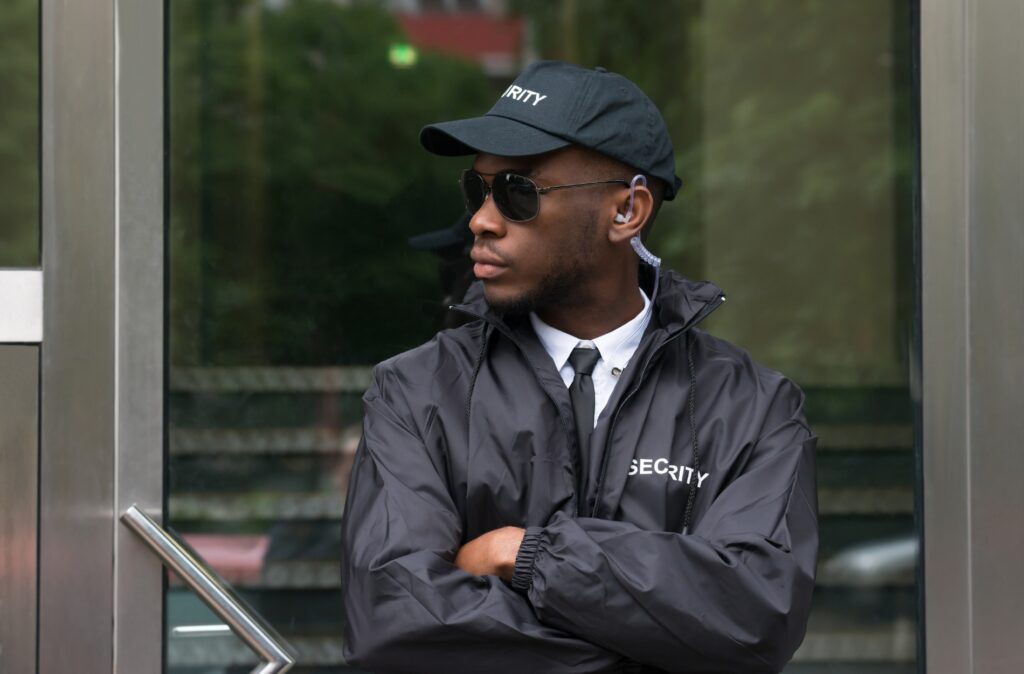
Cost Drivers of Commercial Security Guard Services in Seattle
Commercial security guard services in Seattle can feel expensive, especially when you are trying to protect a budget as well as a building. But those hourly rates are not random. They are built from real cost drivers like local labor laws, the tight job market, and the level of risk at your site. When you understand what is behind the numbers, it gets easier to plan, compare bids, and choose the right level of protection.
Our goal here is to break down those cost drivers in plain language. We will look at how staffing, training, risk profile, and Seattle-specific factors all shape what you pay. That way, property managers, contractors, and corporate leaders can stop “shopping the lowest bid” and start buying the right protection for their people and assets.
How Seattle’s Labor Market Shapes Guard Hourly Rates
In Seattle, the labor environment has a big impact on guard rates. The city has one of the higher minimum wages in the country. There are rules around paid sick leave, rest breaks, and other protections for workers. Those rules are good for people, but they raise the baseline for what security firms must pay guards, which then shows up in your billing rate.
Other labor rules also matter, such as:
- Overtime pay when guards work long weeks
- Scheduling requirements that push firms to plan ahead
- Penalties or costs tied to last-minute schedule changes
Security firms compete for the same pool of workers as logistics, construction, and some tech-adjacent jobs. Many of those roles pay well, so security companies have to be competitive just to hire and keep good guards. When you need someone with experience in high-rise buildings, corporate campuses, or industrial facilities, that experience often comes with higher pay.
In some parts of the region, union contracts also shape guard pay and benefits. Things like health coverage, retirement plans, and paid time off are baked into what it costs to put a guard on your site. Reputable firms price their services so they can keep guards long-term. That helps with:
- Lower turnover at your site
- Better knowledge of your property and tenants
- More consistent service and fewer gaps
Why Your Site’s Risk Profile Changes the Price
Not every Seattle property has the same risk. A quiet office with limited public access is very different from a downtown retail space or a large construction site. Past incidents and crime trends around your property are big drivers of how much security you actually need.
When we look at a site, we pay attention to:
- History of theft, vandalism, or trespass
- Concerns about workplace violence or aggressive behavior
- Nearby crime patterns in downtown, industrial, or warehouse areas
A construction site with open perimeters, tools, and materials will usually need more coverage than a small office that locks up at night. Warehouse spaces, corporate campuses, retail locations, and Class A offices all come with their own mix of public access, high-value assets, and operating hours. The more the site is open to the public, or the more expensive the equipment and inventory, the more complex the staffing plan.
Access control details matter too. A building with multiple entrances, loading docks, and steady visitor traffic generally needs:
- More fixed posts to cover doors and gates
- Regular patrols through parking areas and back-of-house spaces
- Some form of visitor management or lobby presence
Sometimes, a smart physical security design can lower long-term guard hours. Good lighting, cameras, fencing, and controlled access can allow a site to reduce the number of posts without lowering safety.
Training, Licensing, and Specialized Guard Capabilities
Washington State requires security guards to be licensed and trained before working. There are baseline hours of instruction, along with topics like legal limits, report writing, and safe conduct on duty. Armed guards have extra requirements, including more training and tighter screening.
On top of that, many firms add:
- Background checks
- Drug screening
- Recurring refresher courses and certifications
Those steps improve the quality of the guard force but also add to company overhead, which is reflected in the rate you pay.
Not all guard roles are the same. Armed guards, executive protection, construction site specialists, and corporate reception security often require extra training or experience. Skills like de-escalation, workplace violence awareness, crisis response, and customer service take time to build. When you need these higher-level capabilities, you can expect a different price than a basic observe-and-report post.
Technology is also a factor. Guards who can work confidently with:
- Camera systems and remote monitoring stations
- Access control software and badge systems
- Digital incident reporting tools
tend to provide better coverage and cleaner documentation. Training staff to use these tools costs money, but it can allow a smaller team to cover more ground and respond faster when something happens.
Scheduling, Seasonality, and Event Driven Demand
How you schedule guards affects cost almost as much as how many hours you buy. Round-the-clock coverage usually means multiple overlapping shifts, supervisors, and backup staff when someone calls out. Split shifts and short-notice requests can create inefficiencies and raise the risk of overtime.
Generally, steady predictable schedules are easier to staff and manage. When schedules start and stop often, or when there are frequent last-minute changes, you can run into:
- More overtime
- Higher chances of no-shows
- More frequent guard changes on site
In Seattle, summer often brings more construction, tourism, and events. That can increase demand for commercial security guard services in Seattle right when many sites want extra coverage. During these periods, it can be harder to find qualified guards for short-term or rush projects, which can affect what you pay and what is available.
Weather and daylight also play a role. In fall and winter, longer hours of darkness, heavy rain, and storms can increase risk at jobsites and properties, especially when they are vacant. Many sites choose to strengthen night coverage or add mobile patrols during these months, even if daytime risk does not change much.
Comparing Proposals and Planning a Right Sized Budget
When you compare security proposals, it helps to look beyond the hourly rate. A low number might come with hidden tradeoffs such as:
- High turnover and constant new faces on site
- Thin supervision and slow response to issues
- Weak reporting and poor communication
It is also important to be clear about the scope. Detailed post orders, patrol routes, and daily duties reduce the chance of scope creep or surprise change orders later. It is fair to ask how many training hours and site walk-throughs are planned before the first shift starts.
Insurance and compliance should also be part of your decision. Security work carries risk. Firms that invest in strong safety programs and proper coverage are protecting you as well as themselves, and that protection is built into the rate.
To plan a realistic security budget for your Seattle site, you can use a simple mental checklist:
- Local labor environment and guard skill level
- Your site’s risk profile and incident history
- Property type and how it is used
- Coverage hours and schedule stability
- Training, licensing, and technology needs
- Seasonal changes in risk and demand
At Chandler Solutions, we focus on risk assessments and physical security design to right-size guard deployments instead of just adding more hours. As a service-disabled, veteran-owned firm based in Western Washington, we put a lot of attention on disciplined staffing, training, and accountability so security programs match both the site and the budget. When you pull together your incident history, site maps, and operating hours before speaking with any provider of commercial security guard services in Seattle, you set the stage for an accurate, no-surprise quote that truly fits your property.
Strengthen Your Seattle Property’s Security Today
If you are ready to reduce risk and protect your people and assets with a tailored security plan, our team is here to help. Explore our commercial security guard services in Seattle to see how Chandler Solutions can support your specific needs. Then contact us so we can discuss your site, answer your questions, and put the right security professionals in place quickly.