
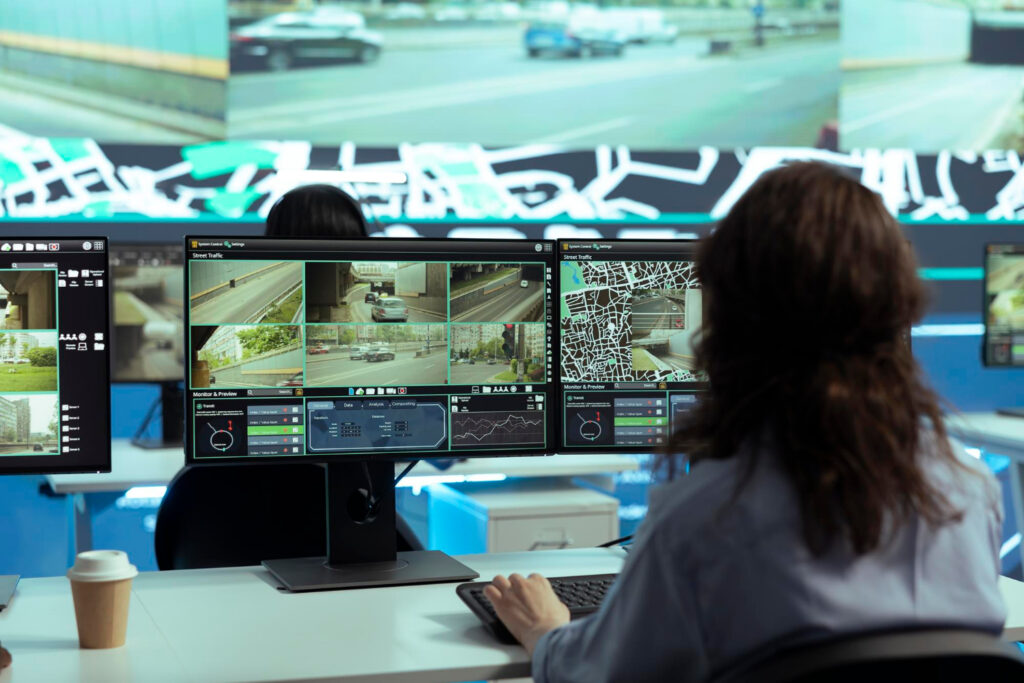
Turning Hidden Security Gaps Into a Competitive Advantage
Physical security is not just about having a guard at the front door or a camera in the lobby. For offices, construction sites, and multifamily properties in Seattle, it is about truly understanding where your risks are and how real people move through your space every day. That is where a physical security vulnerability assessment comes in.
Seattle’s risk picture keeps shifting. Dense downtown corridors, busy waterfront areas, active construction zones, and fast-growing multifamily communities all face changing threats. Theft, vandalism, trespass, workplace violence, and organized crime can quickly expose weak spots in older security plans. A structured, on-site review helps uncover those blind spots so you can fix them before they turn into incidents.
A physical security vulnerability assessment is a proactive way to turn risk into advantage. By finding gaps first, you can protect your people and property while keeping projects on track and tenants confident. For businesses across Western Washington, working with an experienced security team that understands both tactical threats and business pressure can make a big difference.
Why Seattle Businesses Need Deeper Security Insight
Seattle properties share some common challenges. Many sites deal with transient populations, heavy after-hours activity, and complex parking and access control needs. That mix can create weak points that are not obvious until something goes wrong.
Late summer brings its own security pressure. Days are longer, construction activity is high, and there is more foot traffic around job sites and mixed-use properties. Multifamily communities often see more move-ins and move-outs, which means:
- More vacant or partially vacant units
- More vendors and movers on site
- More deliveries and package volume
- More people who are new to the property rules
A professional physical security vulnerability assessment goes far beyond checking if doors lock and cameras record. A thorough review looks at:
- How people really enter, exit, and move through the site
- Where groups like to gather or cut through your property
- Local crime patterns around your block, not just the city as a whole
- How operations, staffing, and schedules affect risk
When property leaders do not understand these vulnerabilities, the impact can be serious. You may face liability issues after an incident, delays on construction timelines, upset tenants or employees, and damage to your brand in the community. Deeper insight helps you stay ahead instead of reacting under pressure.
What a Physical Security Vulnerability Assessment Delivers
A physical security vulnerability assessment is a systematic, on-site review of your people, processes, and physical protections. The goal is simple: find exploitable weaknesses before someone else does.
Core parts of a typical assessment include:
- Perimeter and access points: fences, doors, gates, and loading areas
- Lighting and sightlines across parking lots, walkways, and entries
- Surveillance coverage, camera placement, angles, and image quality
- Alarm systems and how they are monitored and responded to
- Visitor and vendor procedures, including badges and sign-in rules
- Emergency response plans and how well staff understand them
Professional assessors look at your site like an intruder would. They test how easy it is to tailgate into a building, slip into a garage, reach high-value areas, or move around without being challenged. They also observe how guards and staff respond to issues, how quickly they communicate, and how well current technology supports them.
The result is not just a long report. You should receive clear risk ratings, prioritized recommendations, and a practical roadmap that lines up with your operations and budget. That way you know what needs attention now, what can be phased over time, and how each upgrade reduces specific risks.
How Assessments Adapt to Different Property Types
Not all sites face the same problems. A good assessment process adjusts to the type of property and its daily use.
For offices and corporate campuses, reviews often focus on:
- Lobby and reception control
- Badge systems and visitor check-in
- Parking structures and elevator access
- High-value data, server, or equipment rooms
- After-hours cleaning and contractor access
On construction sites, the focus shifts. Perimeter fencing, tool and material storage, and heavy equipment immobilization become key. Assessors look at after-hours patrol patterns, how keys and access codes are controlled, and how security expectations are shared with general contractors and subcontractors.
Multifamily and mixed-use properties have their own mix of needs. Entry systems, package rooms, and mail theft trends matter. Shared amenities like gyms, lounges, and rooftop decks can attract trespassers if they are not controlled. Garages often create blind spots if lighting, cameras, and access readers do not work together. At the same time, tenant experience still matters, so security has to feel safe without feeling harsh.
Across Western Washington, other commercial properties sit in very different neighborhoods, from busy corridors to quieter industrial zones. A thoughtful assessment folds in local crime data, neighboring property conditions, and any jurisdiction-specific requirements that may affect how you secure the site.
Turning Findings Into Guards, Technology, and Training
The real value of a physical security vulnerability assessment is what you do with the findings. Each recommendation should connect directly to staffing, technology, and training choices.
On the guard side, assessment results help refine:
- Patrol routes and check-in points
- Post orders and priorities
- Coverage during peak risk periods
- How guards work with remote monitoring or building systems
Physical security design changes might include shifting or adding cameras, adjusting lighting, upgrading door and gate hardware, or adding more layers to access control. The goal is to build a system where guards, technology, and procedures all support each other.
Training is often the missing link. Even strong systems fail if people are not prepared. Focused training can cover:
- Clear incident reporting and escalation
- De-escalation skills for tense encounters
- Visitor and contractor screening
- Emergency actions specific to your site layout
A good roadmap from your assessment helps you spread these improvements over time so security gains stay aligned with your budget and project plans.
Seasonal Timing and Ongoing Risk Management
In Seattle, August brings a mix of long days, busy job sites, heavy tourism, and active event schedules. Multifamily and student housing often see higher tenant turnover. That means more strangers on property, more open doors and gates, and more chances for someone to slip in where they should not be.
Late summer is a smart time to look closely at your security posture. An assessment now can prepare you for upcoming shifts, such as:
- Earlier nightfall and longer hours of darkness
- Weather impacting access points, doors, and gates
- Holiday season crime patterns and increased deliveries
Physical security is not a one-time project. Properties change, tenant mixes change, and local crime trends change. Treating assessments as part of an ongoing security lifecycle keeps your plan realistic and current. Periodic reviews after major incidents, renovations, or big changes in workforce or tenant profiles help you stay ahead.
In the long run, that commitment protects more than just property. It supports the safety of employees, residents, visitors, and vendors, and it helps protect the reputation you have built in the Seattle area.
Secure Your Facility With Expert Assessment Today
If you are ready to reduce risk and protect your people and assets, we can help you take the next step with a comprehensive physical security vulnerability assessment. At Chandler Solutions, we evaluate your environment, identify weaknesses, and prioritize practical improvements that fit your operations. To discuss your needs or schedule a consultation, contact us and we will help you move forward with a clear plan.