
Stop Hoping Your Warehouse Is Secure and Know It Is
Warehouse security in Seattle is not something to leave to chance. One small weak spot, like a broken gate lock or a dark loading dock, can be all it takes for a theft, break-in, or safety incident that slows your whole operation.
Many warehouses look secure from the outside: a fence, a few cameras, a code on the main door, maybe an alarm. But under real pressure, those surface measures can fail fast. A side door gets propped open, a visitor walks in with a vendor, a camera misses the one angle that matters.
In this article, we will walk through where to look first if you are questioning your warehouse security. We will focus on practical, high-impact fixes that operations managers, facility managers, and owners can address before trying to solve every single risk at once, especially in the Seattle area.
Start at the Perimeter Before Thieves Do
If someone wants into your warehouse, they usually start at the edge of your property. That is why the perimeter is the first place to check, long before you look at lock upgrades or software.
Outdated fencing, broken panels, or gaps near loading areas give people easy access. Unsecured vehicle gates or gates that stay open for long stretches can make it even easier. You want clear control of who can drive or walk onto your site and when.
Think about your perimeter in a few parts:
- Fencing and walls: Are they intact, tall enough, and in good repair?
- Vehicle gates: Do they close reliably and stay closed when not in use?
- Pedestrian gates: Are they locked, with clear signage about access?
- Vendor and visitor flow: Is there a specific entry point everyone uses?
Lighting is another big factor, especially in Seattle where morning and evening can stay dark for long stretches outside of summer. Parking lots, truck yards, and loading docks should be lit well enough that someone walking or driving through can be clearly seen and recorded. Poor lighting hides suspicious activity and makes it harder for staff and guards to spot issues early.
Cameras help, but only if they are placed with purpose. A few random cameras that cover the front door while ignoring side yards, blind corners, and rear fences do not give real security. Aim for:
- Clear views of all vehicle and pedestrian gates
- Coverage of loading docks, fuel storage, and high-traffic areas
- Overlapping views so there are no easy blind spots
Visible cameras, warning signs, and regular patrols all work together to make people think twice before trying something on your property.
Control Who Gets in, Not Just What Comes In
Many warehouses in Seattle pay close attention to freight and inventory but give less thought to the people passing through the doors each day. Both matter. If you want real control, you need clear rules for human access, not just for shipments.
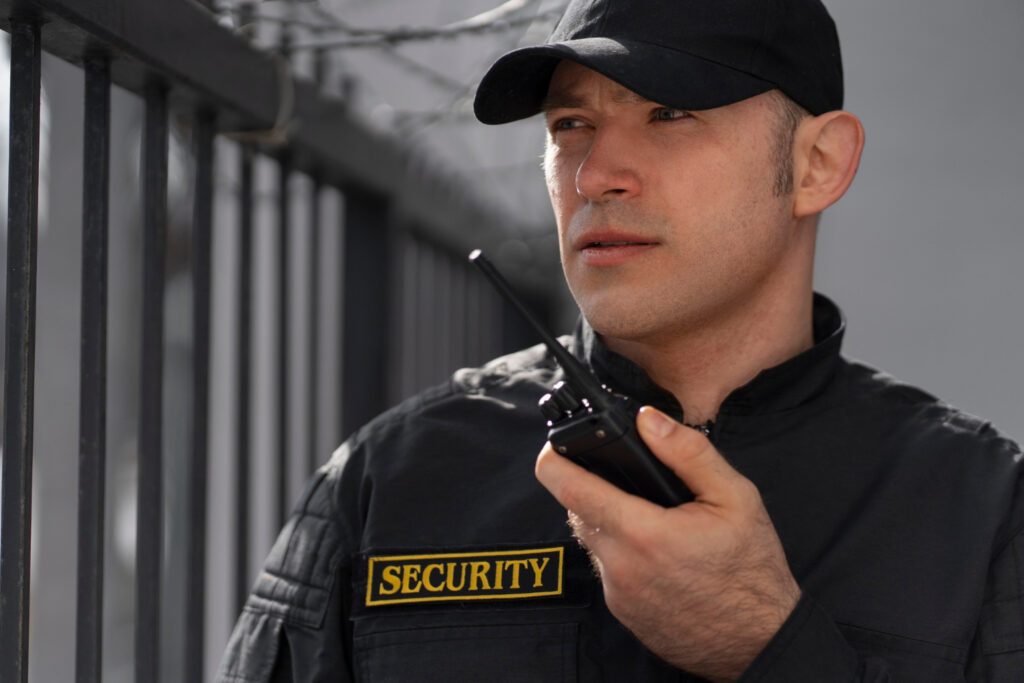
A professional guard presence at entry points can change the tone of a site. Trained guards can:
- Verify IDs and check badges
- Log visitors, contractors, and temporary staff
- Enforce sign-in and sign-out rules
- Respond quickly when something feels off
Badges and credentials should be simple, clear, and consistent. That means:
- Standard badges for employees with defined access levels
- Temporary visitor passes that stand out visually
- A process to remove access when someone leaves a job or contract
- Extra care during shift changes and seasonal staffing spikes
Many internal thefts and security incidents start with simple habits like propping secure doors open for convenience, allowing people to follow others through card-controlled entrances, or ignoring rules for restricted areas because “everyone knows each other.” Policies only work when they are written, explained, and enforced the same way for everyone. Trust should be backed up by process, not replace it.
Protect the High-Value Heart of Your Warehouse
Not every part of a warehouse needs the same level of security. The areas that hold the highest-value inventory or the most theft-prone items deserve extra protection.
Those items might include:
- Electronics and small, easy-to-carry tech
- Power tools and specialized equipment
- Copper, metals, and building materials
- Pharmaceuticals or other sensitive goods
- Any SKUs with a history of frequent shrink
Instead of leaving these on open racks, consider putting them behind barriers. Locked cages, secure rooms, or controlled-access zones can make it far harder for someone to walk out with high-value product, whether they are an outsider or an insider.
Internal cameras also matter. External cameras watch who comes and goes, but internal cameras help you see what happens in aisles, picking and packing zones, and shipping areas. Key spots include:
- Aisles with high-value stock
- Packing stations and staging areas
- Outbound docks and load-out lanes
- Chokepoints where product moves from one area to another
Strong process controls make these systems work even better. Simple steps can help, such as:
- Requiring sign-offs for picks of high-value items
- Keeping seal logs for outbound shipments
- Doing random audits of outbound loads and paperwork
Each of these adds accountability. When people know there is a clear record, they are less likely to test the system.
Prepare Now for Seattle’s Seasonal Crime Shifts
Seattle’s weather and daylight patterns affect how warehouses are targeted. Longer dark hours, heavy rain, and busy holiday seasons combine to create more chances for crime and safety issues.
As days get shorter, more activity happens in low light, from early morning deliveries to late departures. Dark corners and quiet side yards become more tempting. Seasonal spikes in inventory also attract both organized theft and opportunistic crime, especially when stock is stored in temporary or overflow areas.
It helps to review your after-hours playbook before these shifts hit full force. Look closely at:
- Alarm settings and response steps
- Who responds to alerts and how fast
- Overnight staffing levels, including guard coverage
- Procedures for late deliveries or off-hour pickups
Training is just as important as hardware. Even simple, focused training can give your team more confidence, such as:
- How to spot suspicious behavior in and around the warehouse
- What to do if someone is loitering near gates or docks
- How to handle confrontations safely
- When and how to escalate concerns to supervisors or security
Regular drills, even short ones, help make sure people do not have to guess what to do when something actually happens.
Turn Question Marks Into a Warehouse Security Plan
When you start asking hard questions about warehouse security in Seattle, it can feel like there is too much to fix. The key is to start with the highest-impact areas and build from there.
A practical “fix first” list usually looks like this:
- Shore up your perimeter fencing, gates, lighting, and cameras
- Tighten access control for all people coming on site
- Lock down your highest-value inventory in secure zones
- Review seasonal, after-hours, and alarm response procedures
Once those pieces are in motion, it becomes easier to layer on more detailed improvements. That might include reworking camera layouts, adjusting guard posts, or redesigning how inventory flows through the building.
This is also the point where bringing in outside security experts can help. A professional risk assessment or security design review can uncover blind spots that are easy to miss when you see the same building every day. A service-disabled veteran-owned commercial security firm with guard services, risk assessments, training, and physical security design experience in Western Washington, like Chandler Solutions, can help you prioritize changes and build a plan that fits your operations.
With a clear plan, you move from guessing about warehouse security to knowing where you stand and what comes next.
Protect Your Seattle Warehouse With Proactive, Local Security Experts
If you are ready to close the gaps in your facility’s protection, our team at Chandler Solutions can design a plan tailored to your operations and risk profile. Explore how our warehouse security in Seattle services combine technology, trained personnel, and clear protocols to safeguard your inventory and staff. We will walk your site, identify vulnerabilities, and implement practical solutions that fit your budget. To schedule a consultation or request a quote, simply contact us today.