
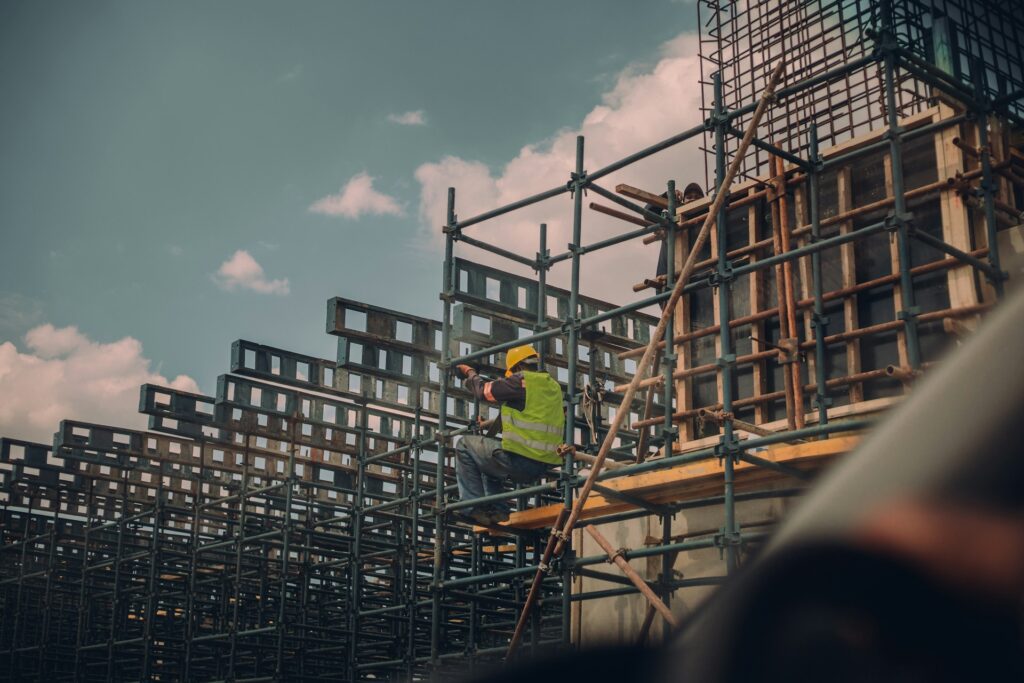
A busy construction site can go from full speed to a dead stop in one bad night. Copper walks off the site, fuel tanks are drained, or a skid steer is gone by morning. Crews stand around, timelines slip, and everyone wants answers. What seemed like a busy but normal project turns into a scramble to recover lost time and rebuild trust with the client.
Temporary construction site security helps stop those moments before they start. With material prices high and opportunistic crime always looking for gaps, security is not a nice extra anymore. It is part of responsible project planning. At Chandler Solutions, we have seen how early security decisions keep projects moving, protect people, and keep owners and general contractors sleeping better at night.
When Construction Risks Turn Into Costly Emergencies
On an active job, every day is planned. Concrete trucks are scheduled, inspections are lined up, subs are stacked on one another. When theft or vandalism hits overnight, it is not just the missing item that hurts; it is everything that falls apart around it.
Common ripple effects include:
- Delayed pours or installs
- Crews rescheduled or sent home
- Extra rental time for equipment
- Frustrated owners and project managers
Temporary construction site security turns those surprise emergencies into managed risks. Instead of reacting to whatever happens after dark, you have a plan, trained eyes on the ground, and a clear response if something looks wrong. For contractors working on high-risk or government sites, building security into the schedule and scope is part of doing the job right, not a last-minute patch.
Hidden Threats Lurking on Summer Construction Sites
Late spring and summer are busy build seasons in Western Washington. Long days mean more work done, but they also mean more chances for people to watch your site, learn your patterns, and wait for the right time to slip in.
Typical warm-weather problems include:
- Material and tool theft from open areas or unlocked containers
- Fuel siphoning from trucks, generators, and lifts
- Vandalism to equipment, windows, or finished work
- Trespassers using the site as a shortcut, skate spot, or hangout
- Arson or fires starting in unsecured corners of the property
Not every threat is a criminal act. Some are safety and liability headaches that a good security presence can help reduce, such as:
- Curious neighbors or kids wandering into danger zones
- After-hours disputes between workers or subs
- People showing up under the influence and creating risk
- Weather issues like unsecured fencing, loose barriers, or open trenches during high winds or heavy rain
When trained security guards and patrols pay attention to these details, they can catch small issues before they turn into injuries, damage, or shutdowns.
When Temporary Construction Site Security Becomes Non-Negotiable
Not every small project needs the same level of protection. But some clear red flags mean temporary construction site security should not be optional. Those red flags include sites that are:
- In areas with frequent theft or property crime
- Near busy roads, sidewalks, or transit stops
- High-profile, public, or government-related
- Poorly lit or active after dark with deliveries or night work
Risk climbs even higher when:
- High-value materials or tools must stay on-site
- Schedules are tight and delays trigger penalties
- There have been past incidents on the same or nearby properties
Many teams start with basic DIY measures like padlocks, simple fencing, and a couple of cameras. These may slow down casual trespassers, but determined thieves test those gaps quickly. An integrated security plan pulls everything together: trained guards who know how to read the site, planned patrols, clear access rules, and a response plan that stands up to real problems, not just minor annoyances.
Guard, Patrol, or Tech? Choosing the Right Protection Mix
There is no one-size security plan for every job. Most construction sites need a mix that fits their layout, schedule, and risk level.
Key options include:
- On-site security guards to control gates, check IDs, and watch high-risk zones
- Mobile patrols to check perimeters, equipment lines, and dark corners
- Cameras and motion sensors to watch blind spots or remote areas
- Lighting and access control to push trouble away from the site in the first place
A layered approach usually works best. For example, you might have a guard on-site during the most vulnerable hours, like evenings and early mornings, backed up by patrols that swing through overnight. Cameras and alarms help cover areas where people rarely stand, such as remote laydown yards or upper floors.
A professional risk assessment from a provider like Chandler Solutions looks at:
- How the site will change over time
- Where materials will be staged at each phase
- Which milestones are make-or-break for the schedule
From there, we can adjust guard hours, rotate patrol routes, and shift cameras or lighting as the build moves upward and outward.
Reducing Liability While Protecting People and Property
Security is not only about stopping thieves. It also plays a big role in reducing liability and supporting your paperwork when something does happen. Documented patrols, access logs, and incident reports can help:
- Show due diligence for insurance carriers
- Support claims after theft, vandalism, or storms
- Clarify who was on-site and when
Good security also supports safety and compliance. Controlled access keeps unauthorized people out of active work zones, which lines up with expectations around safe sites and clear hazard control. If a medical issue or accident happens after hours, trained security personnel can help guide emergency responders, unlock gates, and point them to the right area fast.
There is also a reputational side. Owners, investors, and government agencies pay attention to how well a job is run. When they see organized, professional site security, it sends a clear message: this project is being managed carefully, from the first footing to the final punch list.
How a Veteran-LED Team Elevates Site Security Performance
Chandler Solutions is a Service-Disabled Veteran-Owned Small Business based in Western Washington, and that background shapes how we approach construction site security. We bring a mission-focused mindset to every job. Clear expectations, accountability, and situational awareness are not buzzwords for us, they are daily habits.
On a construction site, change is constant. Roads shift, fencing moves, crews rotate in and out, and hazards appear and disappear quickly. Our guards are trained to:
- Adapt to new layouts and access routes
- Coordinate with multiple trades and supervisors
- Notice early signs of trouble, like people casing the site or tension between workers
Because we also support government and higher risk environments, we are familiar with more detailed reporting needs and compliance expectations. That experience carries over to public works, infrastructure upgrades, and other projects where security is tied closely to documentation and clear communication with oversight agencies.
When temporary construction site security is treated as a non-negotiable part of planning, projects run smoother, people stay safer, and property remains where it belongs. That is the standard we aim to keep on every site we protect.
Get Started With Your Project Today
If you are ready to protect your job site from costly delays and losses, our temporary construction site security solutions are designed to fit your schedule, budget, and risk profile. At Chandler Solutions, we assess your project needs and build a clear security plan so your crews, materials, and equipment stay protected. Reach out and let us walk you through practical options that can be implemented quickly. Have questions or need a quote now? Simply contact us and we will respond promptly.