
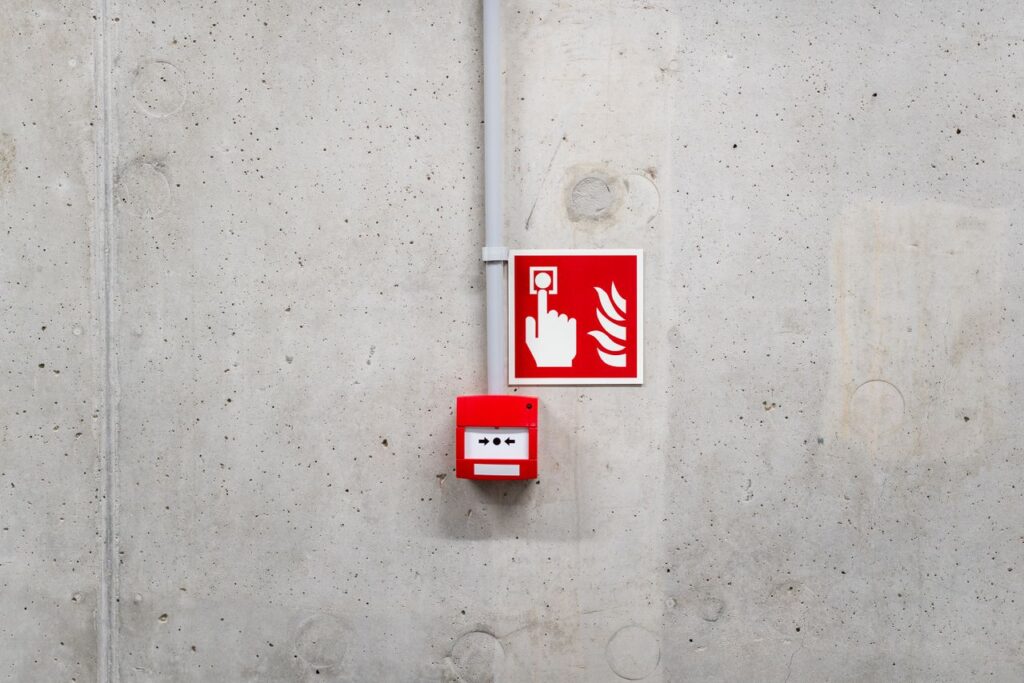
Stop Silent Threats Before They Stop Your Operations
Commercial fire alarm monitoring sounds simple. The siren goes off, the fire department shows up, everyone is safe. In real life, it rarely works that neatly. Many facilities that look protected on paper still have quiet gaps in their monitoring that only show up when smoke and heat are already spreading.
A commercial building can have sprinklers, alarms, and a clean inspection report, yet still suffer heavy fire damage because the monitoring connection failed or the response inside the building fell apart. The problem is not always the equipment. Often, it is how that equipment is monitored, how signals are sent, and how people respond.
At Chandler Solutions, we work with facility managers across Western Washington who want more than a code checkmark. They want life safety, business continuity, and less downtime. We help them spot the hidden holes in their commercial fire alarm monitoring before a hot, dry stretch of weather turns a small spark into a major event.
This article walks through common monitoring mistakes we see facility managers miss and what to change so your building is truly protected, not just “installed and inspected.”
Assuming Installed Means Protected
Many facilities have a fire alarm panel, strobes, pull stations, and detectors in place and feel done. The system passed inspection once, so it must be fine, right? Not always.
There is a big difference between having devices on the wall and having reliable, 24/7 commercial fire alarm monitoring that actually prompts action.
Common misconceptions include:
- Thinking the installer automatically handles monitoring
- Assuming the fire department is directly notified by the panel
- Believing loud local alarms are enough for protection
In some buildings, the alarm only rings inside the facility. If that signal is not transmitted to a monitoring center, help depends on someone on site calling for it. If the building is empty, or people are confused, precious minutes are lost.
Another gap appears when the building changes but the monitoring does not. For example:
- New server rooms or battery backup areas
- Seasonal storage that adds fuel load
- Renovations that change walls, doors, or airflow
- New tenants with different processes or hazards
The alarm panel may still pass a basic test, but the monitoring and response plan might not match the current risks. True commercial fire alarm monitoring includes reliable signal transmission, clear response rules at the monitoring center, and smart integration with other safety systems. None of that is guaranteed just because the system turned on and passed its first inspection.
Overlooking Signal Paths and System Redundancy
One of the easiest things to miss is how the alarm signal actually leaves the building. Many older facilities still send signals over a single phone line. If that line is cut during construction, storms, or utility work, the alarm can sound locally with no message going out.
Modern monitoring often uses two or more paths, such as:
- Cellular
- IP over a secure network
- Radio or wireless systems
Dual-path or redundant communication means if one path fails, the other can still get the alarm to the monitoring center. This is especially important when:
- High heat drives up power demand and stresses utilities
- Wildfire smoke or regional events strain networks
- Construction in the area puts lines and conduit at risk
Signal paths should not be a mystery. As a facility manager, you should know:
- What paths your alarm uses now
- How often they are tested
- Who at the monitoring center is listed as your contacts
- Who on your team answers calls at night, weekends, or holidays
Regular testing and updated contact lists are simple steps that keep a small issue from turning into a large gap in coverage.
Ignoring Human Factors in Alarm Response
Even the best technology fails if people on site do not know what to do when it activates. Many fire alarm failures are really training and procedure failures.
We often hear about staff who:
- Silence or reset alarms without checking the cause
- Prop open fire doors for airflow in hot weather
- Ignore frequent alarms near kitchens or mechanical rooms
Over time, these habits turn into culture, and alarms become background noise. When a real fire starts, people move slowly or not at all, because they assume it is “just another nuisance alarm.”
Every facility should have simple, written, and practiced steps for:
- Who calls 911 and in what situations
- Who meets first responders at the entrance
- Who checks critical areas if it is safe to do so
- How to move visitors, contractors, and people with mobility challenges
These steps work best when they are part of a larger security and emergency plan. At Chandler Solutions, we provide security training that can include fire response as part of overall safety. When guards, reception, maintenance, and leadership all follow the same playbook, the alarm signal leads to fast, calm action, not confusion.
Letting Inspections and Maintenance Slide
Many facility managers trust that an annual inspection means the system is in great shape. The truth is, basic code inspections and deep health checks are not the same thing.
Over time, parts wear out or get changed:
- Detector heads age and lose sensitivity
- Batteries weaken and fail when power is lost
- Zones are disabled during construction and never re-enabled
- Notification devices in storage rooms or back corridors stop working
These are quiet failures. The panel may still show a green light most days, yet not perform as expected during a fire. This risk can grow during busy seasons of the year when:
- More people are in the building
- Special events bring in visitors who do not know the layout
- HVAC and electrical systems work harder for cooling
A documented maintenance and testing plan, aligned with NFPA guidance and local rules, helps keep your commercial fire alarm monitoring reliable. Partnering with a qualified security provider means you are not guessing which components to test, which reports to keep, or how often to recheck older devices.
Turning Fire Alarm Monitoring Into a Strategic Advantage
Commercial fire alarm monitoring, done right, becomes more than a requirement. It turns into a strategic safeguard for your people and your operations. When you know your signals are reliable, your paths are redundant, your staff is trained, and your maintenance is current, you gain real confidence in your building’s ability to handle a fire event.
For facility managers across Western Washington, this works best when fire alarm monitoring is part of a larger security posture. At Chandler Solutions, a Service-Disabled Veteran-Owned Small Business, we connect monitoring with guard staffing, executive protection, risk assessments, security training, and physical security design. The result is a safer, more resilient facility that is ready for everyday operations and for the rare but serious events that can threaten them.
By asking focused questions about your current setup and closing the common gaps described here, you can move from “installed” to truly protected, all year long.
Protect Your Facility With Reliable Fire Alarm Monitoring Today
When you are responsible for a commercial property, you cannot afford gaps in protection. Our commercial fire alarm monitoring services at Chandler Solutions are designed to keep your systems watched around the clock so you can focus on running your business. If you are ready to strengthen your life safety plan or have questions about your current setup, contact us to talk with our team about the right solution for your building.