
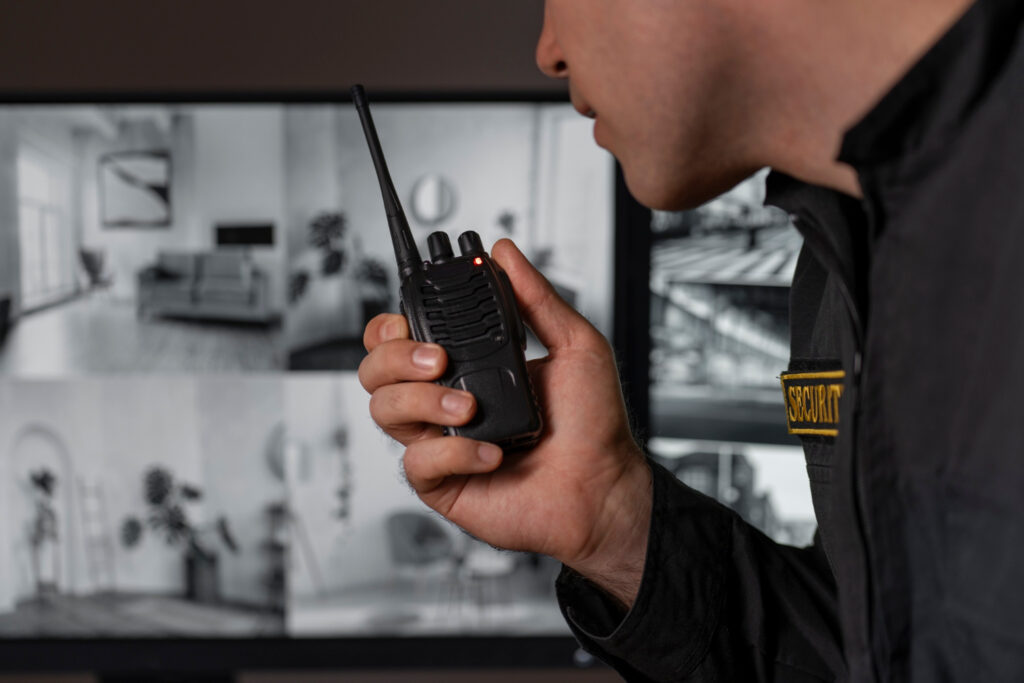
Turn Disconnected Sites Into a Cohesive Security Program
Multi-site commercial real estate portfolios often grow fast, but security does not always keep up. One office tower has detailed post orders, an industrial yard has a basic patrol sheet, a multifamily asset runs on email directions, and a construction site leans on the guard’s “best judgment.” The result is uneven service, frustrated tenants, and added risk.
When every site runs on different rules, you see missed SLAs, slow or inconsistent incident response, and reports that do not line up across the portfolio. Asset managers and property managers struggle to defend budgets or prove value to ownership because the data is messy and incomplete. Security starts to feel like a cost center instead of a managed program.
A better way is to build a standardized framework across all locations, even when the properties are very different. That means shared post order formats, aligned KPIs, clear SLAs, and a common audit rhythm, all backed by a contract security patrol for commercial real estate that uses integrated technology, GPS-tracked field operations, and consistent reporting. The goal is not more paper; it is a single playbook everyone can follow.
Building a Standard Security Framework for Every Property
The first step is to define what is standard everywhere, no matter the asset type. A good portfolio framework usually covers common terminology for incidents and activity, clear incident categories and priority levels, standard reporting expectations and formats, escalation paths and contact trees, and minimum presence and patrol requirements by time of day.
For presence, you might define baseline tasks such as interior and exterior patrol frequency, lobby coverage expectations for office, dock and yard checks for industrial, after-hours perimeter sweeps, and laydown yard checks on active construction sites.
The challenge is keeping this structure while still respecting the differences between office, industrial, multifamily, and construction. The answer is to separate the “spine” from the “muscle.” The spine stays the same across sites, including report layout and fields, KPI definitions and formulas, basic officer conduct and appearance standards, and how incidents are categorized and closed out.
Then each site profile adds its own muscle:
- Office: lobby guest management, loading dock protocols, late-night office worker escorts
- Industrial: truck gate operations, trailer seal checks, after-hours loading bay sweeps
- Multifamily: amenity checks, parking control, noise and nuisance handling
- Construction: access control for trades, material storage checks, hot work monitoring
Digital post orders and guard tour systems make this work at scale. When officers use mobile apps with GPS tracking and time-stamped checkpoints, everyone follows the same basic structure. Property teams can see patrols, missed checkpoints, and incident reports in real-time, across all buildings and job sites, instead of waiting for paper logs or emailed PDFs.
Designing SLAs and KPIs That Owners Actually Care About
Many programs stop at activity metrics. They track how many patrols were done, how many doors were checked, and how many escorts were provided. Those numbers matter, but owners and asset managers care more about outcomes. They want to know if security is reducing trespass, theft, vandalism, and late-night calls to property management.
So it helps to split KPIs into two groups:
- Activity metrics: patrol counts, doors checked, visitor escorts, elevator checks
- Outcome metrics: incident trends, repeat offender reduction, fewer security-related service calls
An SLA framework for a multi-site portfolio typically includes:
- Incident response times by incident priority
- Patrol completion rates and time windows
- Report delivery timelines after noteworthy events
- Hot spot coverage expectations, like known trespass or theft areas
- Response and documentation steps for CCTV alarm events across different camera platforms
Then, build KPIs that line up with commercial priorities, not just guard activity. These can include tenant satisfaction related to safety and security, reduction in security-related insurance claims, compliance with access control policies for doors and gates, overnight construction material loss incidents, and seasonal trends (for example, summer trespass and loitering, or late-season rush on active job sites).
This kind of structure lets property leaders in Western Washington or any market speak to ownership in clear business terms, not just “we have guards on site.”
Tiering Sites for Risk, Budget, and Seasonal Demand
Not every property needs the same level of coverage. A practical portfolio model creates risk tiers, such as Tier 1 for flagship office towers, high-crime industrial zones, high-end multifamily, and critical construction projects; Tier 2 for standard office and industrial assets with average risk; and Tier 3 for low-risk or low-occupancy sites where occasional checks are enough.
Each tier then has different staffing, patrol, and technology baselines. For example:
- Tier 1: on-site officers, tight SLAs, frequent inspections, detailed reporting, close CCTV and alarm integration
- Tier 2: blended on-site and mobile patrol, standard SLAs, focused hot spot coverage
- Tier 3: mobile patrol focused on exceptions, remote monitoring, flexible SLAs
Tying post orders and SLAs to these tiers keeps the program fair and explainable. Higher tiers get more frequent checks, deeper reports, and higher expectations. Lower tiers still have clear standards, but with more emphasis on mobile patrol and exception-based coverage.
Risk is not fixed, and seasonal changes matter. During summer construction booms or multifamily lease-up seasons, risk can spike. Office and retail lobbies may be busier around holidays or big events. Instead of rewriting the contract, you can:
- Temporarily move sites up a tier for a defined window
- Add targeted guard hours during known high-risk periods
- Increase patrol frequency around specific hot spots or materials
This keeps the contract stable while allowing the security program to flex as conditions change.
Leveraging Integrated Tech, CCTV, and GPS-Tracked Patrols
Integrated technology is what turns a standard on paper into consistent action in the field. When your security partner can work with a variety of CCTV providers and remote monitoring options, you can link alarms and video analytics to guard dispatch. This closes the loop between what cameras see and what officers do.
GPS-tracked patrols and digital reporting add another layer of clarity:
- Real-time guard locations during shifts
- Time-stamped checkpoints to confirm routes were completed
- Photos and videos attached directly to reports
- Exception alerts when a required task is missed or delayed
For asset managers, that data can be rolled into portfolio-level dashboards that show SLA performance, incident patterns, and risk hot spots across the entire book of business. Property managers can drill down into building-specific summaries for their own sites. Owners can see high-level trends and understand how security is driving risk down across the portfolio.
When your contract security patrol for commercial real estate operates this way, security stops being a black box. You are not guessing whether patrols happened or relying on handwritten logs. You have hard proof of performance.
Establishing Audit Cadence and Continuous Improvement Loops
Standardization only works if it is checked on a regular rhythm. A healthy audit cadence might include monthly site-level reviews with property management, quarterly portfolio business reviews for asset leaders, and annual strategic sessions to re-tier properties and refresh SLAs and post orders.
During these audits, you can look at:
- Patrol route completion and checkpoint misses
- SLA hit rates across incident types
- Accuracy and completeness of incident reports
- Guard performance, including professionalism and tenant interaction
- CCTV alarm handling and follow-up quality
- GPS compliance and any gaps in coverage
- Tenant and contractor feedback on how safe the property feels
A disciplined partner uses these findings to update routes, retrain officers, and adjust post orders before peak risk periods. KPIs can be tuned as the portfolio mix changes or as new construction projects come online. Over time, the security program becomes smarter, not just bigger, giving owners and managers a clear, defensible story about how they are managing risk across Western Washington portfolios.
Chandler Solutions approaches this kind of work as an ongoing program, not a one-time setup. Standardized post orders, aligned KPIs, practical SLAs, clear tiers, integrated technology, and real audits all come together to turn a basic guard contract into a portfolio-wide security framework that supports safer properties and stronger operations.
Protect Your Property With Proven Security Patrol Services
When you are ready to strengthen safety and reduce risk across your properties, we are here to help. Explore how our contract security patrol for commercial real estate can be tailored to your buildings, tenants, and daily operations. The team at Chandler Solutions will work with you to design a practical, cost-effective security plan that fits your priorities. Have questions or need a custom quote fast? Simply contact us to get started.