
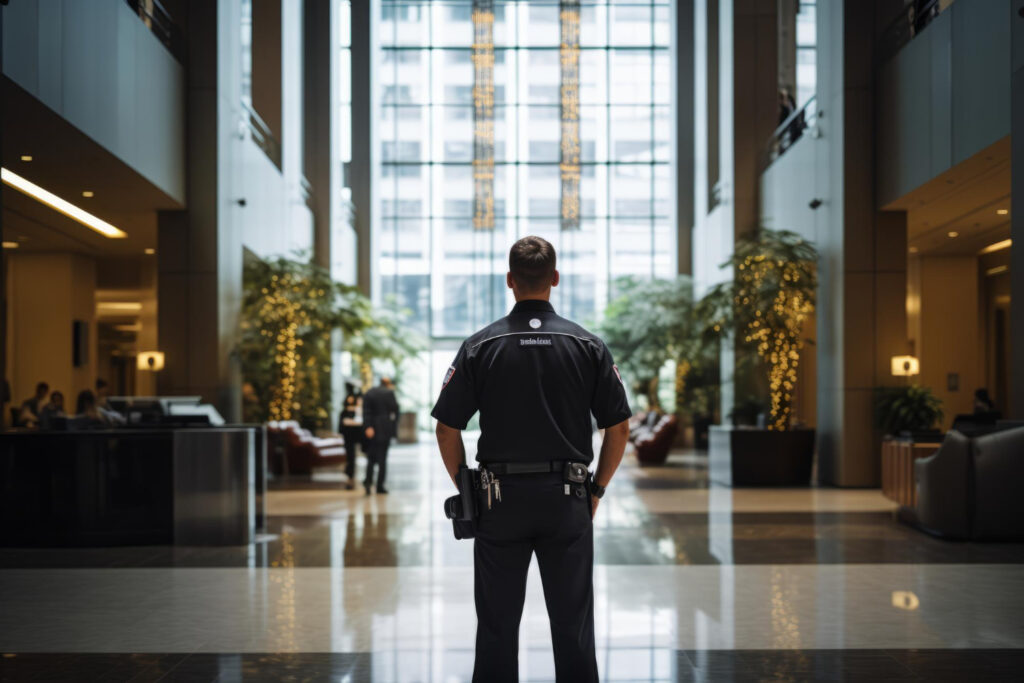
When Crisis Plans Fall Apart in the Real World
A corporate crisis response strategy can look perfect in a slide deck. Roles are assigned, scripts are ready, and everyone thinks they know what to do. Then a real threat hits your workplace and the plan stalls before the first decision is made.
The first minutes of a crisis are messy. Phones ring, alarms sound, people ask questions all at once. In summer months, when travel, events, protests, severe weather, and heat issues all spike, that chaos can grow fast. Risks to people, property, and operations stack on top of each other.
At Chandler Solutions, a Service-Disabled Veteran-Owned Small Business, we have watched strong policies fail because they were never fully connected to physical security, frontline training, or executive protection. The message is simple: a crisis playbook that lives only in documents is not protection. It has to match your buildings, your people, and your daily reality.
The Silent Gap Between Plans and Physical Security
Many organizations build a corporate crisis response strategy around two main ideas: how to communicate and how to keep the business running. Those are important, but they often assume that physical security will just handle itself in the background.
Common gaps show up fast, such as:
- Security teams not included in early crisis planning
- Outdated access control lists that ignore who really has keys or badges
- Lockdown procedures that exist on paper but have never been tested
- Contract guards who have never been trained on the crisis playbook
In a real event, these weak spots turn into delays and confusion. People wait for instructions that never come. Security officers are unsure who has the authority to close doors, deny access, or move people. Staff, visitors, and contractors all hear different directions.
When the left hand is sending company-wide emails and the right hand is trying to manage doors and crowds, mixed messages spread quickly. That is how you end up with some people evacuating into danger, others hiding in unsafe spaces, and executives trying to make decisions without clear information from the ground.
Hidden Weaknesses That Put People and Assets at Risk
On normal days, small security flaws can go unnoticed. In a crisis, they turn into real hazards. Many crisis plans skip over the physical details that actually shape what happens in those first few minutes.
We often see things like:
- Camera blind spots in parking areas, lobbies, or stairwells
- Unsecured loading docks that act as easy back doors
- Visitor access rules that are loose or unclear
- Third-party vendors moving freely without oversight
Summer can add more stress. Outdoor company events, retreats, and celebrations bring crowds to open spaces that are harder to secure. Executives and staff may be traveling more, using hotels, airports, and event venues that are outside your normal security bubble. Seasonal hires often do not know your emergency routes or what to do if something feels wrong.
At the same time, executives and high-profile leaders can become the focus during unrest, layoffs, or controversial announcements. When emotions are high, they carry not only personal risk but also operational risk. If they cannot move safely, meet securely, or communicate clearly, your whole corporate crisis response strategy is weakened.
Aligning Your Corporate Crisis Response Strategy with Reality
A strong crisis strategy does not start with an email template or an IT recovery plan. It starts with a clear look at your physical risk. That means walking your sites, asking hard questions, and checking how people actually move, work, and gather.
Practical steps to bring plans in line with reality include:
- Running a full physical risk assessment for each key site
- Involving security, HR, legal, and facilities in planning from the start
- Building scenarios for workplace violence, protests, natural disasters, and insider threats
- Defining who has the authority to make fast security calls under pressure
Once the paper plan matches your real buildings, you have to test it. Not just with a calendar reminder, but with drills that feel real enough to expose cracks.
Useful exercises include:
- Multi-site drills that test how different locations support each other
- Unannounced access control checks, such as testing badge rules at side doors
- Tabletop simulations that bring leadership, security, and frontline staff into the same room
Every test should end with clear lessons. Where did people get stuck? Which doors, cameras, or radios did not work as expected? What questions came up that your current plan does not answer?
Training Your People to ACT, Not Freeze
Even the best-written strategy fails if people freeze in the first 60 to 120 seconds. In a crisis, every person in your building is part of the response, not just the security team.
Training needs to be simple, repeatable, and clear. Key pieces include:
- How to spot early warning signs like aggressive behavior or unusual interest in access points
- Plain-language steps for shelter-in-place and evacuation
- How to report suspicious behavior in a calm, fast way
- What to do if usual leaders are not present when something starts
Different roles need different training. Executives need to understand decision points, travel risk, and how to work with protection teams. Front desk staff need scripts and practice for handling threats at entry points. Facility teams need to know how to shut things down or open them up in a hurry. Traveling staff need practical guidance for hotels, airports, and ride services.
At Chandler Solutions, we shape training to match specific roles and environments, from office towers to campuses, industrial sites, and public-facing spaces. The goal is not to turn everyone into security officers; it is to give each person clear actions they can take without freezing.
Executive Protection as a Core Part of Crisis Strategy
Executives, board members, and key leaders are not just high-status individuals. They are critical assets in any corporate crisis response strategy. If they are at risk, distracted, or cut off, your organization cannot think or act clearly.
There are several common scenarios where strong executive protection ties directly into better crisis outcomes:
- Hostile terminations or workplace conflicts that may target leadership
- Contentious mergers or public decisions that draw protests or threats
- Sensitive policy announcements that may anger specific groups
- Travel to higher-risk locations, including during busy summer seasons
Protective intelligence, secure transportation, and advance work at venues are not standalone services. They should be woven into the larger crisis plan so leadership can move, meet, and communicate while staying protected. When those pieces are aligned, leaders can focus on decisions instead of wondering if the hallway outside the door is safe.
At Chandler Solutions, we bring together physical security, risk assessment, training, and executive protection into one connected approach. Our team has seen the gap between plans and reality, and we work to close it so your strategy is tested, practical, and ready for the next hard moment.
Strengthen Your Crisis Readiness With a Proven Strategy
When the unexpected hits, you need more than good intentions; you need a clear, tested plan. We can help you build a tailored corporate crisis response strategy that aligns with your operations, culture, and risk profile. At Chandler Solutions, we work alongside your team to clarify roles, communication protocols, and decision paths before a crisis unfolds. Ready to move forward, refine your planning, or schedule a consultation? Contact us today.