
Stronger Protection for a Busier Shopping Season
Retail shopping centers in Western Washington get busier when the weather is nicer and days are longer. More people walk the property, visit multiple stores, and stay out later into the evening. That extra activity is good for business, but it also brings more chances for theft, disorder, and safety incidents in parking lots and common areas.
Many property owners rely on CCTV to handle all of this. Cameras feel like a simple, set-it-and-forget-it fix. The system is already installed, it records everything, and the footage is there if something happens. The problem is that recording is not the same as preventing. Watching an incident after the fact does not help a tenant who just lost merchandise or a shopper who did not feel safe.
Real retail shopping center security needs more than video coverage. It calls for a layered program that blends cameras, trained security officers, smart procedures, and thoughtful property design. When these pieces work together, they reduce risk, build tenant confidence, and create a better experience for everyone on site.
Why Cameras Alone Fall Short in Retail Centers
CCTV is an important tool, but it has clear limits in a busy shopping center. A camera cannot step in between two people in an argument. It cannot comfort a scared child or guide crowds away from a problem area. It only records what happens.
Some common gaps when centers rely only on cameras include:
- Delayed response because footage is reviewed after something goes wrong
- Blind spots where people gather, especially near corners or between parked cars
- Technical issues like dirty lenses, bad angles, or poor lighting at night
- No way to physically intervene or de-escalate a situation in real time
Organized retail crime groups, grab-and-run shoplifters, and quick vehicle break-ins often move very fast. By the time someone looks at the video, the suspects are already gone. Shoppers may also feel uneasy in long, dim parking rows where a camera is present but no security team is visible.
There is another risk for property managers. It can be easy to think, “We have cameras everywhere, so we are covered.” That false sense of security can lead to weaker planning, less training, and slow responses during peak weekends or big tenant promotions. Video alone does not show that a center took reasonable, proactive steps to manage risk.
The Human Element That CCTV Can Never Replace
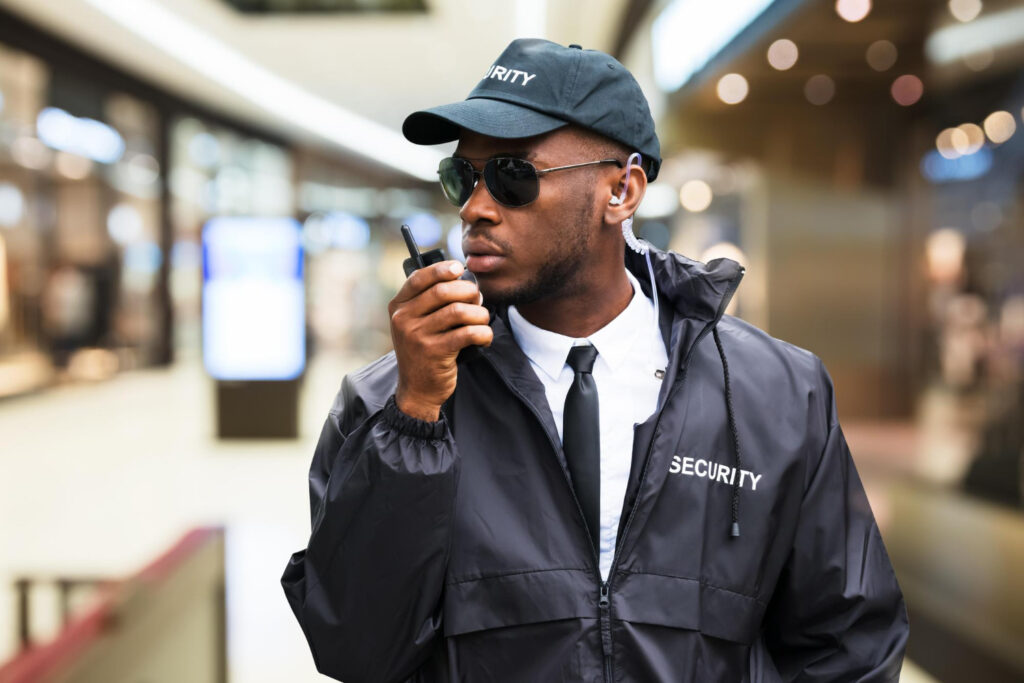
Professional security officers bring something cameras never can: a living, thinking presence. A trained guard can read body language, hear raised voices, and notice small changes in the energy of a crowd. They can choose when to step in, when to call for backup, and when to simply be seen.
Good retail shopping center security officers provide:
- Visible deterrence by patrolling on foot and in vehicles
- Real-time judgment about suspicious behavior and developing problems
- Immediate response to medical events, disputes, or emergencies
- Clear communication with tenants, property management, and public safety partners
Security officers are often the first people shoppers talk to when they need help. They answer simple questions like where a store is, how to find the restrooms, or where to safely wait for an Uber or Lyft. Calm, respectful customer service helps lower tension and makes guests more likely to report concerns early.
As a Service-Disabled Veteran-Owned firm, we place a strong focus on discipline, situational awareness, and mission-focused training. Many of our team members are used to working in complex, changing environments. That mindset fits well in retail centers, where conditions can shift quickly from quiet to very busy and where small decisions can make a big difference in outcomes.
Designing Retail Shopping Center Security That Works
An effective security plan starts long before a guard steps onto the property. A thorough risk assessment helps uncover weak spots that cameras alone may not show. This includes walking the site at different times of day and in different weather to see how the space really functions.
Key areas we pay close attention to include:
- Parking lots and garages
- Loading docks and service corridors
- Entrances, exits, and stairwells
- Food courts, plazas, and other gathering spots
- Storefronts along the main walkways
From there, physical security design plays a big role. Small changes can have a large impact. Better lighting, especially in darker corners and far parking rows, helps cameras perform better and makes people feel safer. Clear sightlines reduce hiding spots. Controlled access to back-of-house areas helps keep unauthorized people away from inventory and cash handling zones.
Landscaping also matters. Overgrown shrubs, tall bushes, and blocked views can create pockets where crime feels easier. Simple trimming, plant choices, and sign placement can support rules and guide behavior. When we design guard posts, patrol routes, and camera locations together, each piece supports the others. People, technology, and procedures form a single security ecosystem instead of separate parts.
Seasonal Strategies for Safer Summer Shopping
Summer brings unique patterns to retail shopping center security in our region. Longer daylight hours can stretch operating times. Outdoor events, food trucks, and pop-up vendors draw extra visitors. Youth groups and families spend more time hanging out in plazas and near entrances. Vehicle traffic in lots and garages usually grows too.
To keep up with these changes, properties often need seasonal adjustments such as:
- Flexible guard schedules that increase coverage on weekends and event days
- Mobile patrols that focus on remote parking rows and overflow areas
- Temporary access controls around loading docks or closed sections
- Short-term surveillance support in areas that see a spike in activity
Training refreshers for tenant staff are also helpful. When store teams understand how to spot common theft behaviors, when to call security, and how to report an incident clearly, everyone benefits. Clear, shared procedures for medical events, severe weather, or disruptive behavior give the entire property team a common plan.
The goal is not to turn a shopping trip into a stressful experience. It is to keep the space feeling open, safe, and welcoming while quietly managing higher risk during busy seasons.
Turn Your Cameras Into a Complete Security Program
Many shopping centers already have a significant investment in CCTV. The next step is turning that investment into a full security program instead of a stand-alone tool. When cameras are supported by trained security officers, thoughtful property design, and clear policies, they become much more powerful.
At Chandler Solutions, we help retail property owners and managers look at the full picture: current coverage, incident history, and daily tenant concerns. From there, we can recommend guard services, risk assessments, and physical security design support that work with your existing systems and the way your property actually operates. The result is retail shopping center security that does more than just record what went wrong. It helps prevent problems, protect people, and keep your center ready for the next busy shopping surge.
Strengthen Your Shopping Center Security With Proven Protection
If you are ready to upgrade safety for your property, our retail shopping center security solutions are tailored to the unique risks you face every day. At Chandler Solutions, we assess your environment, identify vulnerabilities, and put the right people and technology in place to close the gaps. Let us help you create a secure, welcoming experience for tenants, employees, and visitors alike, or contact us to discuss your security needs today.